Author: Mosa

  • Air Fryer Tofu Recipe (Crispy Golden Cubes)

    Air Fryer Tofu Recipe (Crispy Golden Cubes)

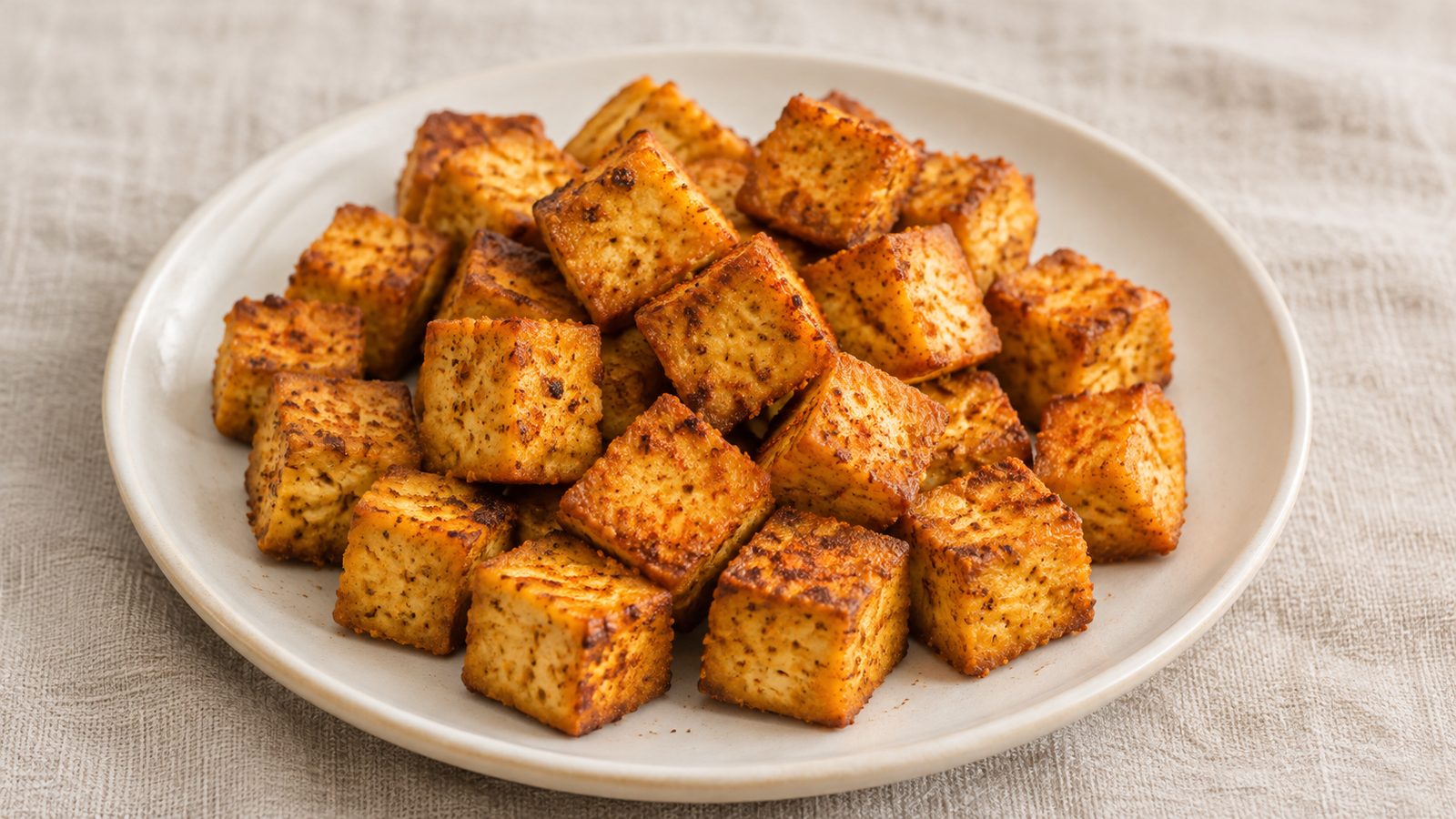
    This air fryer tofu recipe turns a simple block of tofu into crisp, golden cubes with a savory coating and tender center. The short ingredient list and hands-off cooking make it a useful option when you want a plant-based side without heating the oven.

    The key is removing surface moisture before seasoning. Dry tofu holds the soy sauce and oil more evenly, while the cornstarch forms a thin coating that becomes crisp in the circulating heat. Keep the cubes in one layer so hot air can reach their edges.

    Why This Air Fryer Tofu Recipe Works

    Extra-firm tofu has enough structure to hold its shape when tossed and shaken. A small amount of olive oil encourages browning, and low-sodium soy sauce adds savoriness without making the coating wet. Cornstarch supplies the light crust, while garlic, smoked paprika, salt, and black pepper keep the flavor balanced and flexible.

    The method also avoids crowding. When tofu cubes overlap, trapped steam softens the coating. A single layer gives each piece room to brown, and one shake midway through cooking exposes a fresh side to the hot air.

    Air Fryer Tofu

    Crisp, golden tofu cubes with a light savory coating and tender centers, made in the air fryer for an easy vegan side.
    Prep Time 15 minutes
    Cook Time 15 minutes
    Total Time 30 minutes
    Servings: 4 servings
    Course: Side Dish
    Cuisine: American
    Calories: 130

    Ingredients
      

    • 397 g extra-firm tofu pressed and cut into 1-inch cubes
    • 1 tablespoon olive oil
    • 1 tablespoon low-sodium soy sauce
    • 2 tablespoons cornstarch
    • 1/2 teaspoon garlic powder
    • 1/2 teaspoon smoked paprika
    • 1/4 teaspoon fine sea salt
    • 1/4 teaspoon black pepper

    Method
     

    1. Preheat the air fryer to 400°F (200°C).
    2. Pat the pressed tofu cubes dry. Add them to a bowl with the olive oil and low-sodium soy sauce, then toss gently until evenly coated.
    3. In a small bowl, stir together the cornstarch, garlic powder, smoked paprika, fine sea salt, and black pepper. Sprinkle the mixture over the tofu and toss until no dry pockets remain.
    4. Arrange the tofu in a single layer in the air fryer basket. Air fry for 10 minutes.
    5. Shake the basket or turn the cubes, then air fry for 5 minutes more, until the edges are golden and crisp. Rest for 2 minutes before serving.

    Notes

    Times are estimates and will vary with your equipment.

    How to Serve Crispy Air Fryer Tofu

    Serve the tofu immediately while the edges are at their crispest. It works beside steamed rice and vegetables, over a grain bowl, or tucked into a wrap with shredded cabbage and a creamy vegan sauce. You can also add it to a salad just before serving so the coating stays crisp.

    For a simple dinner, pair it with roasted broccoli, cucumber, and rice. A squeeze of lime or a spoonful of chili sauce can brighten the finished dish without changing the base recipe.

    Storage and Reheating

    Let leftover tofu cool, then refrigerate it in a covered container. The coating will soften as it sits. Reheat the cubes in the air fryer in a single layer until hot and crisp again, checking early so the edges do not dry out.

    Avoid storing the tofu in a wet sauce. If you want to serve it with a dip or glaze, keep that component separate and add it after reheating.

    Frequently Asked Questions

    Why is my tofu not crispy?

    Surface moisture and crowding are the usual causes. Press and pat the tofu dry, coat every cube lightly, and leave space between pieces. If your basket is small, cook in two batches rather than stacking the tofu.

    Why is the coating powdery?

    Dry patches mean the cornstarch did not contact enough moisture or oil. Toss the tofu with soy sauce and oil first, then add the dry seasoning mixture and continue tossing until no white pockets remain.

    Can I use silken tofu?

    No. Silken tofu is too delicate for this method and can break apart during tossing. Use extra-firm tofu so the cubes remain intact.

    Do I need to press the tofu?

    Pressing helps remove water that would otherwise create steam. Even a short press followed by thorough surface drying improves the coating and browning.

    Can I make the tofu without oil?

    The recipe is designed with a small amount of oil for browning and an even coating. Omitting it will change the texture and may leave dry spots, so that variation has not been specified here.

    A Flexible Vegan Staple

    Once you know the drying, coating, and spacing technique, this air fryer tofu recipe can fit into many meals. Keep the base seasoning as written for the first batch, serve the cubes while hot, and choose sauces or sides that complement their crisp exterior.
  • Vegan Mac and Cheese (Creamy Stovetop Cashew Sauce)

    Vegan Mac and Cheese (Creamy Stovetop Cashew Sauce)

    This vegan mac and cheese is a stovetop recipe: elbow macaroni folded into a smooth, savory sauce blended from soaked cashews, nutritional yeast, plant milk, lemon and a little miso. There is no roux, no oven and no store-bought vegan cheese, and the whole thing is made in one pasta pot plus a blender.

    Set your expectations honestly. A cashew sauce will not stretch or melt like dairy cheddar, and this vegan mac and cheese does not pretend to. What it gives you is a creamy, glossy coating with a tangy, cheesy flavor that clings to every piece of pasta, which is what most people actually want from a bowl of mac and cheese.

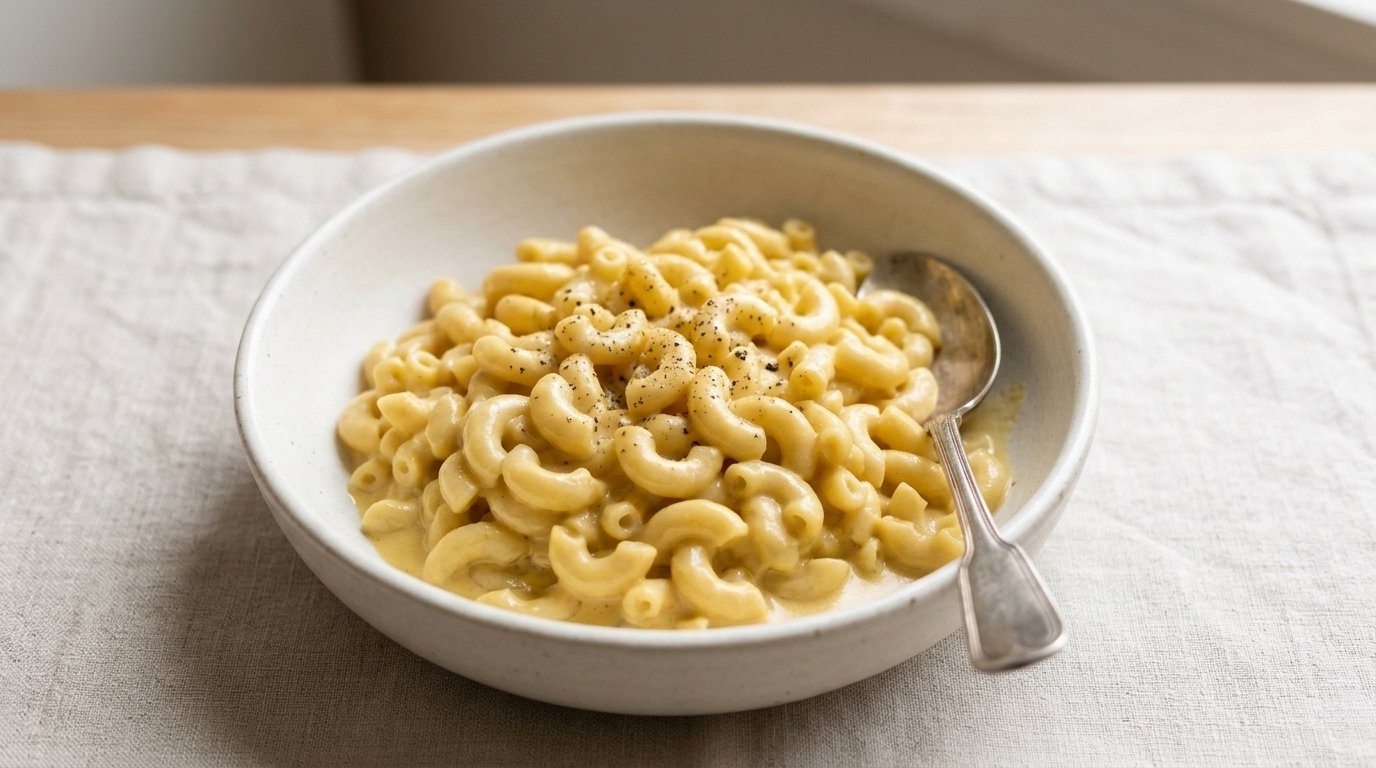
    How this recipe was made: it was written with AI assistance and has not yet been kitchen-tested by Vegan Cravebook. The photo on this page is an AI-generated illustration of the finished dish, not a photo of a tested batch. Read the method and trust your eyes and your taste as you cook.

    Why This Vegan Mac and Cheese Works

    Two things carry this recipe. The first is soaked cashews blended completely smooth. Soaking softens the nuts so the blender can break them down into a cream instead of a gritty paste, and that cream is what gives the sauce its body. The second is starchy pasta water. The water the macaroni cooked in carries starch, and stirring it in at the end loosens the sauce without making it watery and helps it cling to the pasta.

    The flavor comes from layering a few ingredients rather than from any one of them. Nutritional yeast brings the savory, cheesy note. Lemon juice and Dijon mustard add the tang you expect from sharp cheese. Miso adds depth and saltiness, and a pinch of smoked paprika rounds it out. Turmeric is optional and only there for a warmer yellow color.

    Vegan Mac and Cheese (Creamy Stovetop Cashew Sauce)

    Creamy stovetop vegan mac and cheese made with a smooth cashew and nutritional yeast sauce.
    Prep Time 15 minutes
    Cook Time 12 minutes
    Total Time 27 minutes
    Servings: 6
    Course: Main Course
    Cuisine: American

    Ingredients
      

    For the pasta
    • 1 lb (454 g) dried elbow macaroni (check the label: most dried pasta is egg-free, but some brands add egg)
    • Salt, for the pasta water
    For the cashew cheese sauce
    • 1 cup raw, unsalted cashews
    • 1 1/2 cups (355 ml) unsweetened, unflavored soy or oat milk
    • 1/2 cup nutritional yeast
    • 2 tbsp olive oil
    • 2 tbsp fresh lemon juice
    • 1 tbsp white (shiro) miso (check the label: some miso pastes include fish-based dashi)
    • 1 tsp Dijon mustard
    • 1 tsp garlic powder
    • 1 tsp onion powder
    • 1/2 tsp smoked paprika
    • 1/4 tsp ground turmeric (optional, for color)
    • 1 tsp fine salt, plus more to taste
    • About 1 cup reserved pasta water

    Method
     

    1. Soak the cashews. Put the cashews in a heatproof bowl and cover them with just-boiled water. Leave them to soak while you bring the pasta water to a boil and cook the pasta.
    2. Cook the pasta. Bring a large pot of generously salted water to a boil. Add the macaroni and cook it until it is just shy of al dente, tasting a minute or two before the time on the package. It will finish softening in the hot sauce.
    3. Save the pasta water. Before draining, scoop out about 1 cup of the cooking water and set it aside. Drain the pasta and keep the empty pot.
    4. Blend the sauce. Drain the soaked cashews and put them in a blender with the soy or oat milk, nutritional yeast, olive oil, lemon juice, miso, Dijon mustard, garlic powder, onion powder, smoked paprika, turmeric if using, and 1 tsp salt. Blend until the sauce is completely smooth, with no grit when you rub a drop between your fingers. A high-speed blender gets there fastest; a regular blender needs longer and may need a pause to scrape down the sides.
    5. Heat the sauce. Pour the sauce into the empty pasta pot over low heat. Stir constantly with a spatula, scraping the bottom, until the sauce warms through, thickens and turns glossy.
    6. Combine. Add the drained macaroni and stir until every piece is coated. Add the reserved pasta water a splash at a time, stirring after each addition, until the sauce is loose, creamy and flows slowly off the spoon.
    7. Season and serve. Taste and adjust: more salt for savoriness, a little more lemon juice for tang. Serve right away, while the sauce is at its creamiest.

    Notes

    Times are estimates and will vary with your equipment.

    Allergen note: cashews are a tree nut, and tree nuts are one of the major food allergens listed by the U.S. Food and Drug Administration. Wheat pasta also contains wheat, another major allergen. This recipe is not suitable for anyone avoiding either.

    If this one becomes a weeknight regular, keep an eye on Vegan Cravebook for more cozy vegan dinners.

    Texture: What Right Looks Like

    The finished sauce should coat the pasta in a smooth, glossy layer and pool slightly in the bottom of the bowl. It should look creamy rather than pasty and taste smooth on the tongue.

    • Too thick or gluey: stir in more pasta water, a splash at a time. The sauce keeps tightening as it sits, so it is better slightly loose than stiff.
    • Too thin: keep it over low heat and stir for another minute or two; the cashew sauce thickens as it heats.
    • Gritty: the cashews were not blended fully. Next time, soak them for the whole cooking time and blend longer before heating.
    • Flat-tasting: it usually needs salt first, then lemon juice.

    Serving and Storage

    Serve it straight from the pot as a main dish, or as a side next to roasted vegetables or a green salad. A crack of black pepper on top is enough; it does not need a crust.

    For leftovers, the USDA Food Safety and Inspection Service advises that leftovers can be kept in the refrigerator for 3 to 4 days and should be reheated until they reach 165°F, measured with a food thermometer. Refrigerate the pasta in a covered container. The sauce firms up a lot in the fridge, so add a splash of plant milk or water when you reheat and stir as it warms. We have not tested freezing this vegan mac and cheese, and cashew sauces can change texture after freezing.

    Frequently Asked Questions

    Does vegan mac and cheese taste like regular mac and cheese?

    It tastes cheesy, savory and tangy, and it is creamy, but it is not identical to dairy cheese. A cashew sauce does not stretch or melt like cheddar. Think of it as its own comfort dish rather than an exact copy.

    Why is my cashew sauce gritty?

    Grit means the cashews were not broken down completely. Soak them in just-boiled water for the full time the pasta cooks, then blend until a drop of sauce feels smooth between your fingers. A regular blender may need noticeably longer than a high-speed one.

    Can I make the sauce ahead of time?

    Yes. Blend the sauce, store it covered in the refrigerator, and use it within the same 3 to 4 days that USDA guidance gives for refrigerated leftovers. It will be thick when cold, so warm it gently in the pot with a little pasta water or plant milk before adding freshly cooked pasta.

    Can I bake this into a casserole?

    This recipe is written as a stovetop dish only. We have not tested a baked version, so we cannot give you a reliable oven time or temperature for it.

    A Simple, Honest Bowl of Comfort

    This vegan mac and cheese comes down to soaked cashews blended smooth, a handful of pantry seasonings, and pasta water stirred in at the end. Make it once as written, then adjust the lemon, salt and paprika until it tastes the way you like it.

    Looking for your next plant-based dinner? More simple vegan recipes will be published here on Vegan Cravebook.